Let us come alongside you as you consider vocational ministry. We’ll help you take the next step, whatever it is.
Your call could lead you to serve as a pastor, ministry leader, international worker or church planter.

- Explore your giftsServe in your church and try different kinds of ministry.
- Confirm your callServe in your church, seek wise counsel, grow closer to Christ.
- Gain experienceGet hands-on through internships, residencies and more.
THE PATHWAY · FIVE STEPS
From first nudge to launch.
Every call is different, but the road has landmarks. Here’s how we walk it with you, one step at a time. Start wherever you are today.
STEP 1 OF 5 · LEAN IN
Get clarity on God’s call.
Get clarity on God’s calling by serving in your local church, seeking wise counsel, and deepening your relationship with Christ.
- Serve in your local church
- Share your sense of call with your pastor or a mentor
- Deepen your relationship with Christ
YOUR NEXT MOVE
Not sure yet? That’s exactly where this starts. Tell us what you’re sensing and we’ll walk with you.
STEP 2 OF 5 · EXPLORE
Discover how God made you.
Explore and cultivate your gifts and passions in your local church while gaining exposure to a variety of ministry work and settings.
- In a residency, work with a mentor from your host church
- Explore and cultivate your gifts and passions
- Try a variety of ministry work and settings
YOUR NEXT MOVE
See the kinds of ministry your gifts could grow into, from pastoring to church planting to international work.
STEP 3 OF 5 · LEARN
Get the training.
Pursue the educational requirements for vocational ministry through conventional or more innovative pathways.
- Licensing requires at least 30 semester credit hours in Bible, theology and ministry, with 18 or more in Bible and theology
- Study at an Alliance college, or train through the Alliance Center for Leadership Development
- No bachelor’s degree yet? Residents can work toward one through the program
YOUR NEXT MOVE
Find the school or program that fits your life, then keep moving toward hands-on ministry.
STEP 4 OF 5 · EXPERIENCE
Do the work, up close.
Acquire hands-on ministry involvement through internships, residencies and other immersive experiences.
- Serve, lead and launch ministries inside a healthy church
- Learn alongside an experienced pastor, with candid feedback
- Work through ordination with the C&MA as you go
- Internships: tailored to you. Talk with Holly
FEATURED · ANE PASTORAL RESIDENCY
Two years that shape a lifetime of ministry.- LENGTHAbout two years (most residents launch at 20–30 months)
- PAYA compensated role, funded by the host church and the district
- HOUSINGProvided, or an allowance to secure your own
- NEXTPlacement in New England
STEP 5 OF 5 · LAUNCH
Get licensed. Get placed.
Fulfill ministry licensing criteria and pursue placement in your desired ministry field.
- AccreditedYour Called2Serve application and a Credentialing Council interview approve you for Alliance ministry.
- LicensedOnce you’re placed in an Alliance ministry, the district licenses you.
- OrdainedAfter a two-year provisional license, a personalized plan and oral exams, you take your vows.
YOUR NEXT MOVE
The C&MA licenses its pastors first, then ordains them. See every step, then find your place.
 Residencies available
FEATURED PATH · THE RESIDENCY
Two years. A lifetime of ministry.
Learn the art of pastoral ministry from inside a healthy congregation, alongside a more experienced pastor. Observe, then lead, then launch.
- ImmerseQuarter 1
- Look & learnQuarters 2–3
- LeadQuarters 4–5
- LaunchQuarters 6–8
- Place~20–30 months
- COMPENSATEDFunded by the host church and the district. Residents raise a portion, with training provided.
- HOUSINGProvided by the church or district, or an allowance to secure your own.
- MENTOREDClose mentorship, real responsibility and candid feedback.
- PLACEDThe goal: a lead or staff pastor, church planter or new-campus role in New England.
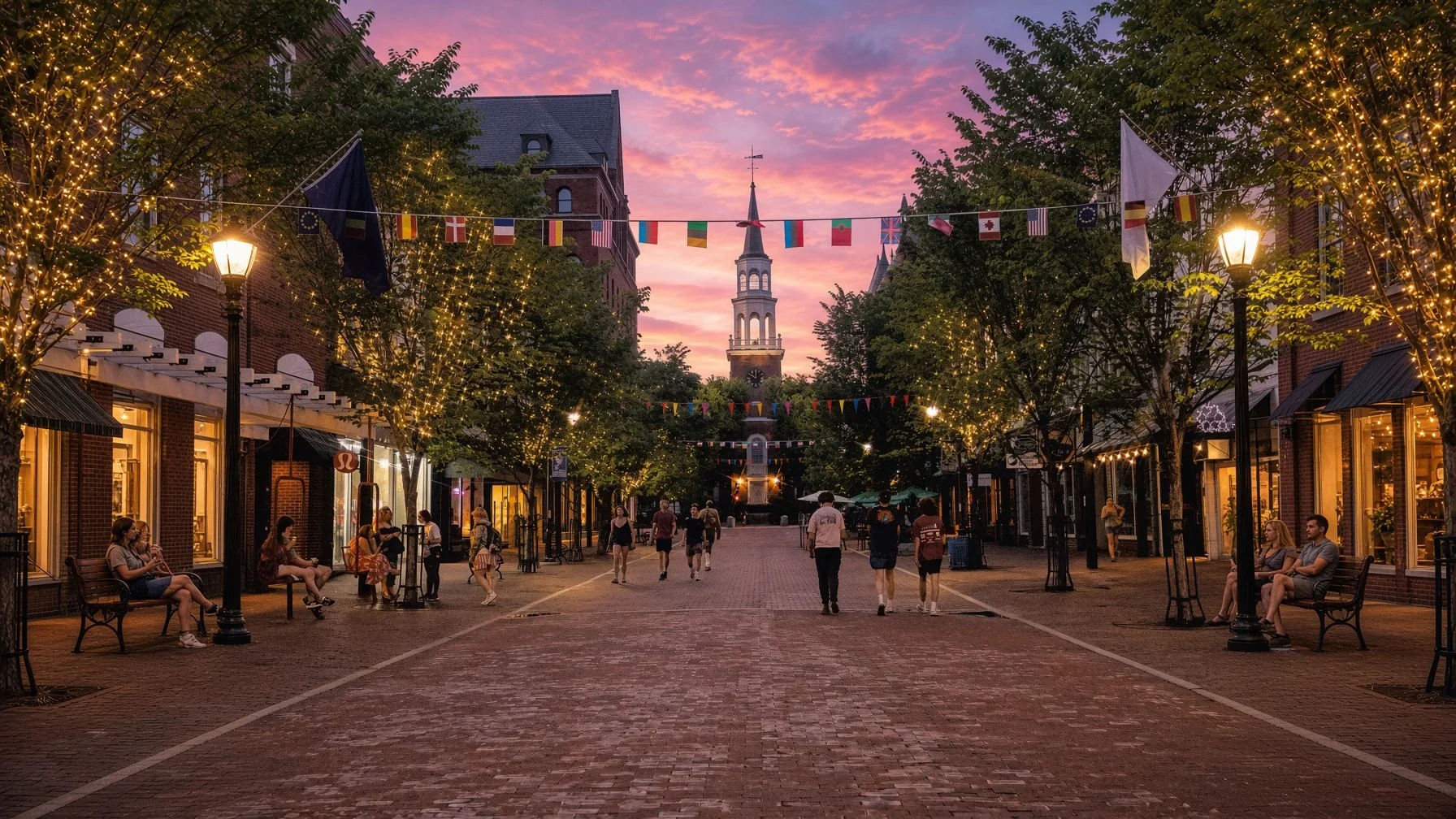
WHY NEW ENGLAND
New England needs you.
There is a great opportunity and need for the gospel to transform New England.
- 1–3%of the population attends an evangelical church.
- Top 4Vermont, Maine, New Hampshire and Massachusetts are the four least religious states in the nation.Gallup
- 5 of 5of America’s most post-Christian cities are in New England.Barna Group
- 100churches by 2033: Alliance New England’s goal. Today we serve 50 across all six states.
WHERE COULD YOUR CALL LEAD?
Four ways to serve.
The pathway leads to more than one place. Wherever God is sending you, we’ll help you get there.
COLLECTIVE MISSIONYou won’t do this alone. Our pastors meet regularly in geographic clusters for prayer, development, personal connection and collective mission.
QUESTIONS
Straight answers.
Don’t see yours? Email the Alliance New England office and we’ll be glad to help.
office@alliancenewengland.orgDo I need to be sure of my call before I reach out?
No. This pathway exists to help you explore your gifts and confirm your call. Start with a conversation: tell us what you’re sensing.
What education do I need?
Everyone licensed as an official worker needs at least 30 semester credit hours of study in Bible, theology and ministry, with at least 18 of those in Bible and theology from an Alliance school or a school that affirms the authority of Scripture.
For the Residency, a bachelor’s degree (or equivalent) in Bible, pastoral ministry or a related field is preferred, and opportunities to complete one are available through the program. See Alliance colleges.
What is the Residency, and is it paid?
It’s about two years inside a healthy church, serving alongside a more experienced pastor. Residencies are compensated positions funded by the host church and the district; residents raise a portion, with resources and training provided. Housing is provided, or you receive an allowance. Read about the Residency.
What’s the difference between licensing and ordination?
The C&MA licenses first, then ordains. You’re licensed once you’re placed in an Alliance ministry, and licenses are renewed each year. If you’re not yet ordained, you receive a two-year provisional license and complete a personalized plan (papers and readings, mentoring, trainings, an oral exam) before taking your ordination vows. See licensing & ordination.
What is accreditation?
Being accredited means you’ve been approved for Alliance ministry, and it lets your name stand for placement in any Alliance church nationwide. It starts with a conversation with our staff, then the Called2Serve Next Steps Form (mark that you’re working with New England) and an interview with our Credentialing Council.
Do you offer internships?
Yes. Internships are tailored to each person, so the first step is a conversation: talk with Holly about what you’re looking for.
I’m called to missions or church planting. Is this for me?
Yes. Start here, and we’ll connect you with the right next step: the Called Ones missions pathway or ANE’s church planting pathway.
Who will I talk to?
Holly Skalberg, who leads Pastoral Placement & Collective Mission. Holly works with churches and candidates from across the country, pairing candidates with churches for staffing or residency. holly@alliancenewengland.org
GET IN TOUCH
Let’s talk about your call.
We can’t wait to hear from you. Share a little about yourself and how you’re sensing God’s call, and Holly will help you find your next step.